
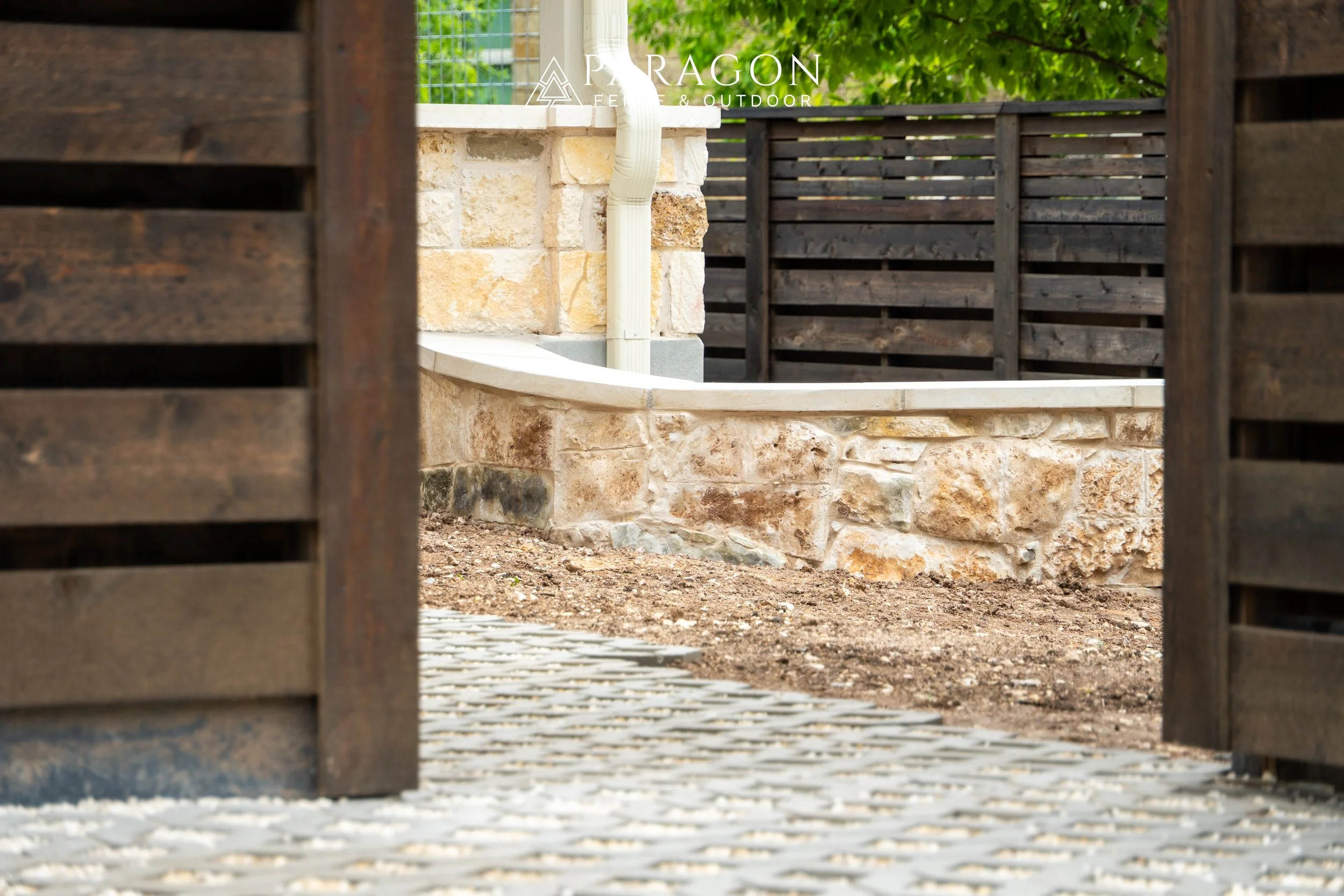
RESIDENTIAL RETAINING WALLS IN AUSTIN, TX
In Austin, sloped yards, Texas clay soil, and hard rains can create drainage and erosion issues — especially in backyards. At Paragon Fence & Outdoor, we install residential retaining walls under 4’ in height that help level your outdoor spaces, control soil movement, and complement your landscaping.
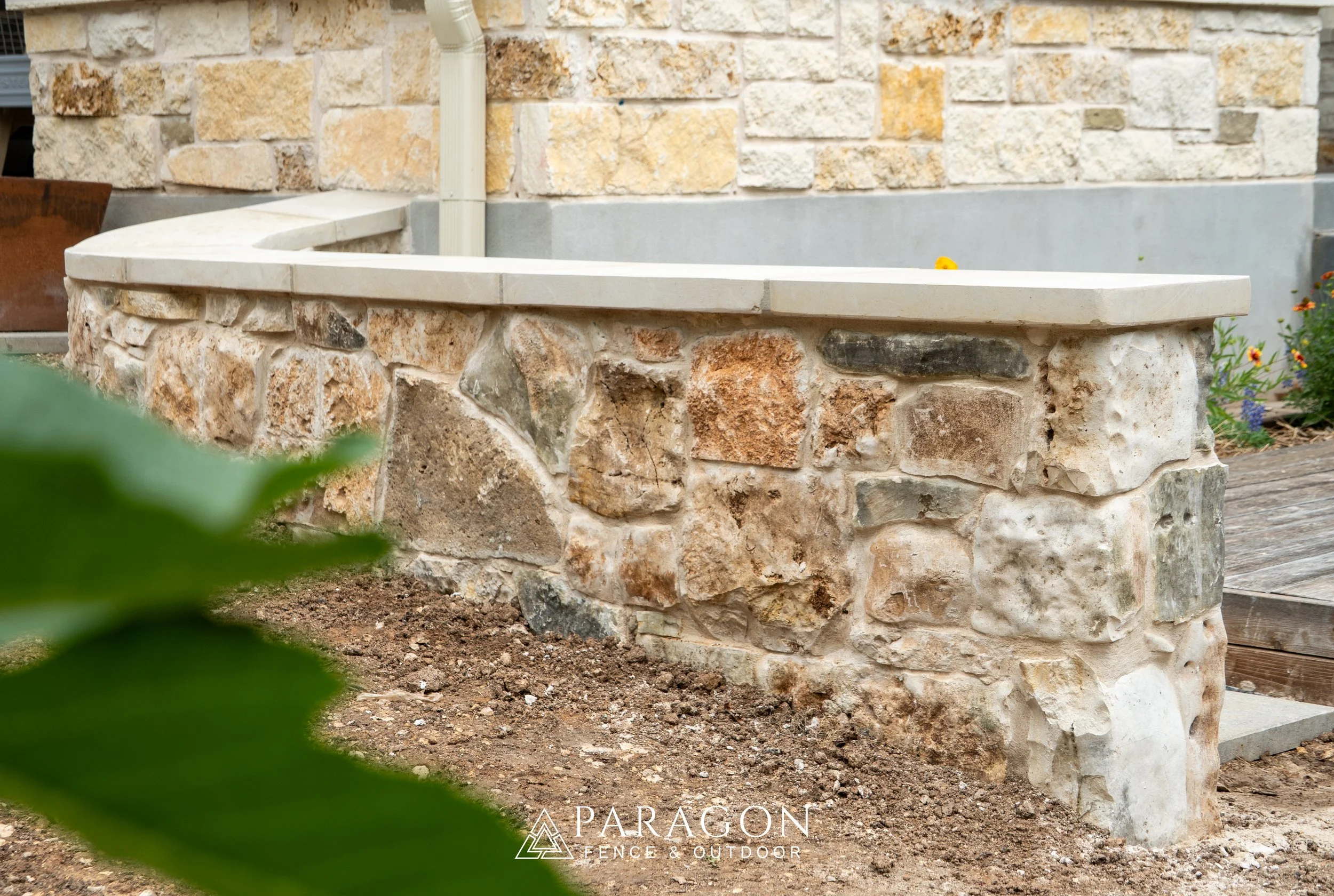
We build walls using concrete, stone, and steel materials suited for local soil conditions and weather. Photos depict projects personally managed by Paragon’s owner, reflecting years of hands-on experience both before and after forming Paragon.
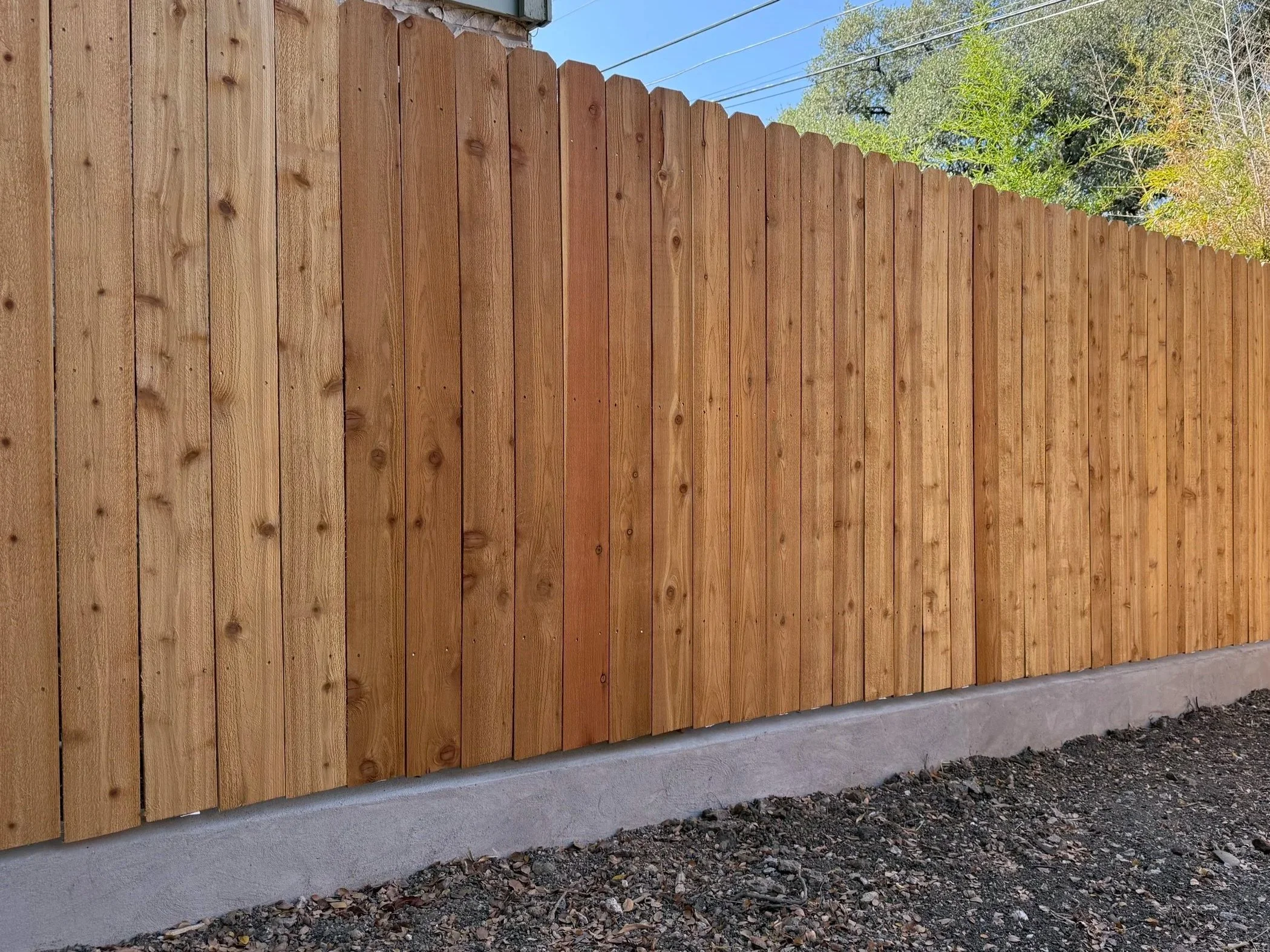
WHY CHOOSE A RETAINING WALL UNDER 4 FT IN AUSTIN
In many residential situations in Austin, retaining walls under 4 ft:
Often do not require city permitting
Typically do not require engineered drawings
Move through the build process faster
Reduce overall project costs
If you think you might need something over 4 ft, we can help with that too. Just keep in mind it will require permitting and engineering plans, which can make the planning process more complex. We walk homeowners through that upfront so there are no surprises.
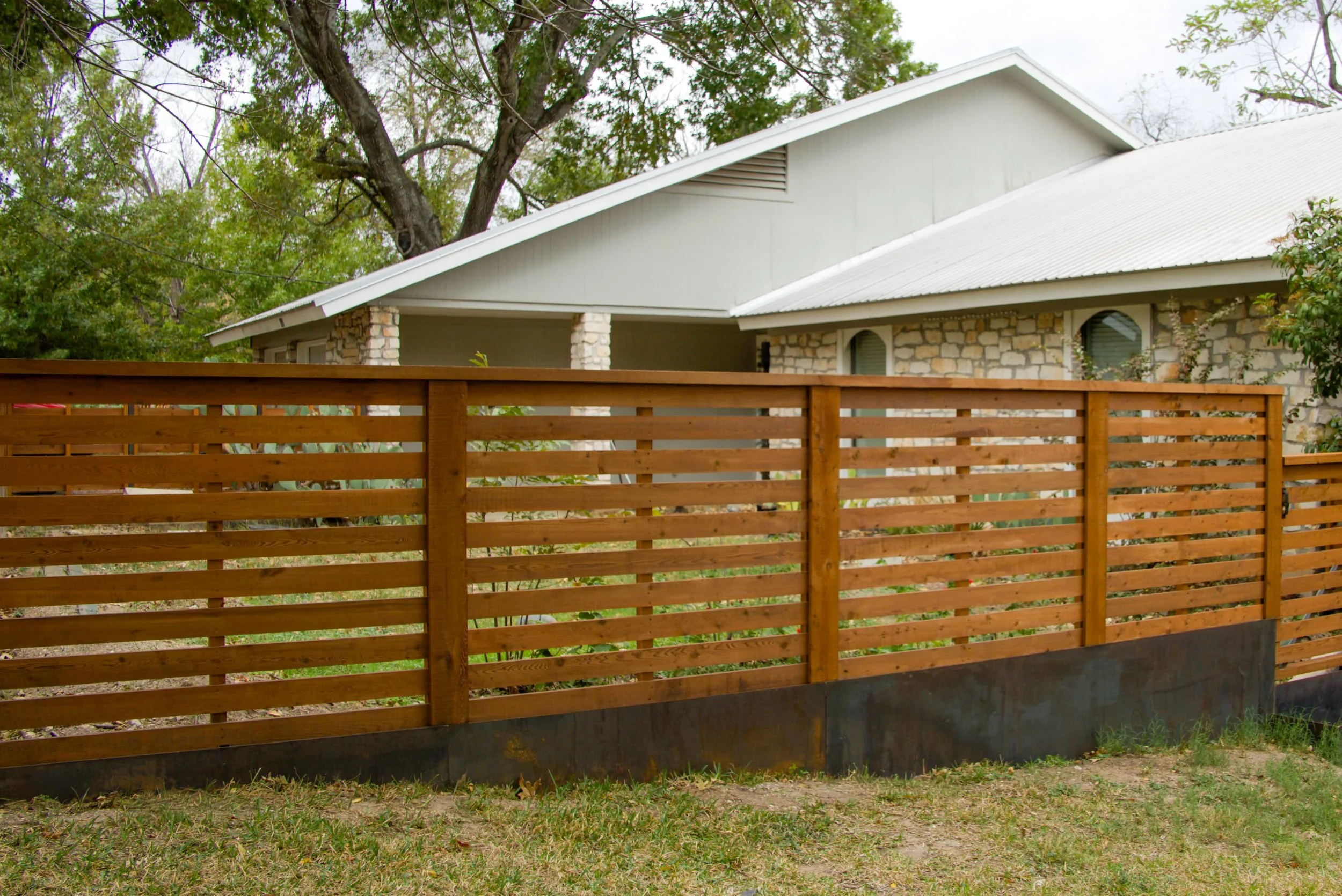
USES FOR RESIDENTIAL RETAINING WALLS
Homeowners in Austin and Cedar Park typically use 4 ft or under retaining walls for:
Leveling backyard slopes
Supporting garden beds
Creating tiered yards
Containing erosion near fence lines
Supporting patios or walkways
These projects often dramatically increase usable yard space.
PAST PROJECTS
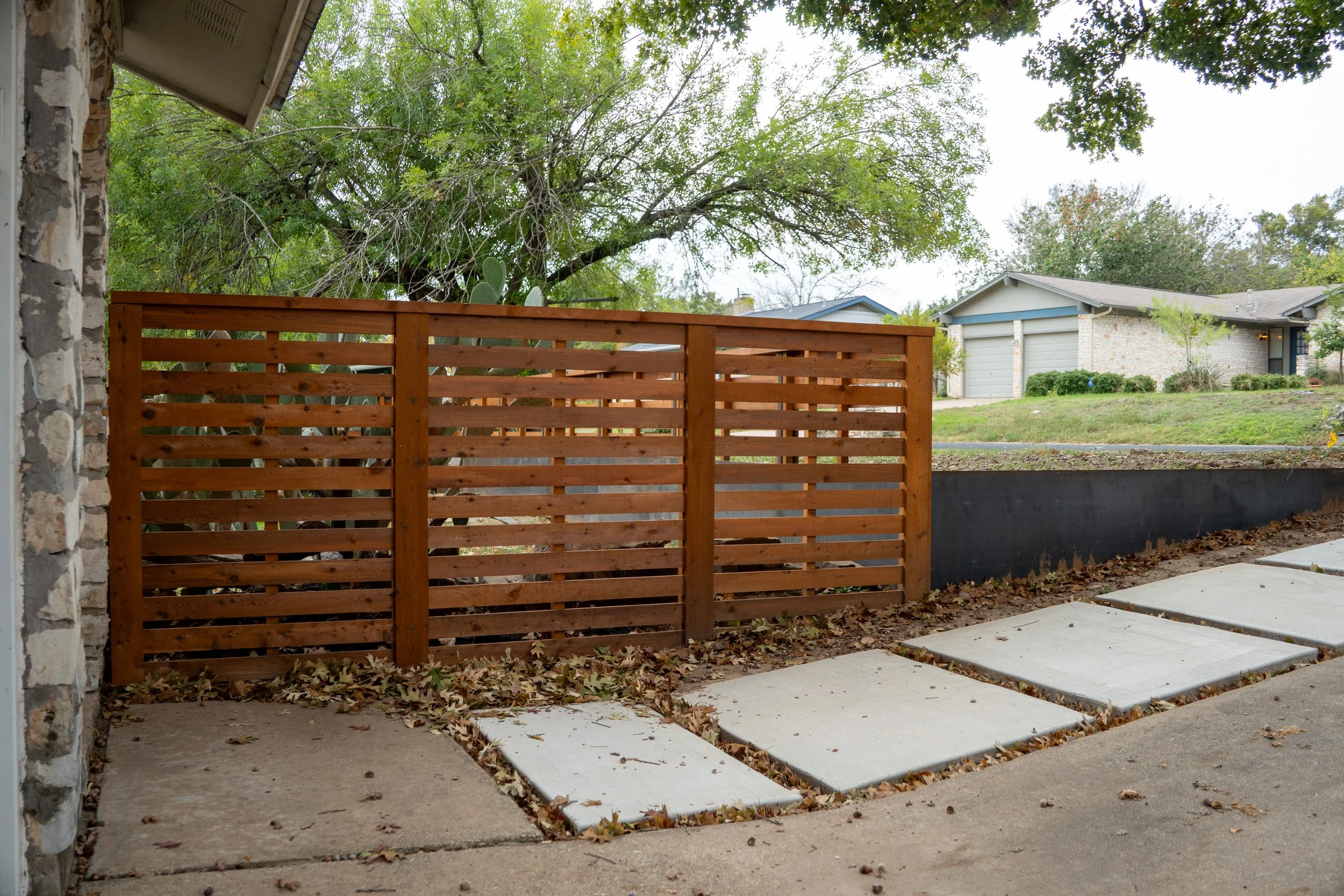
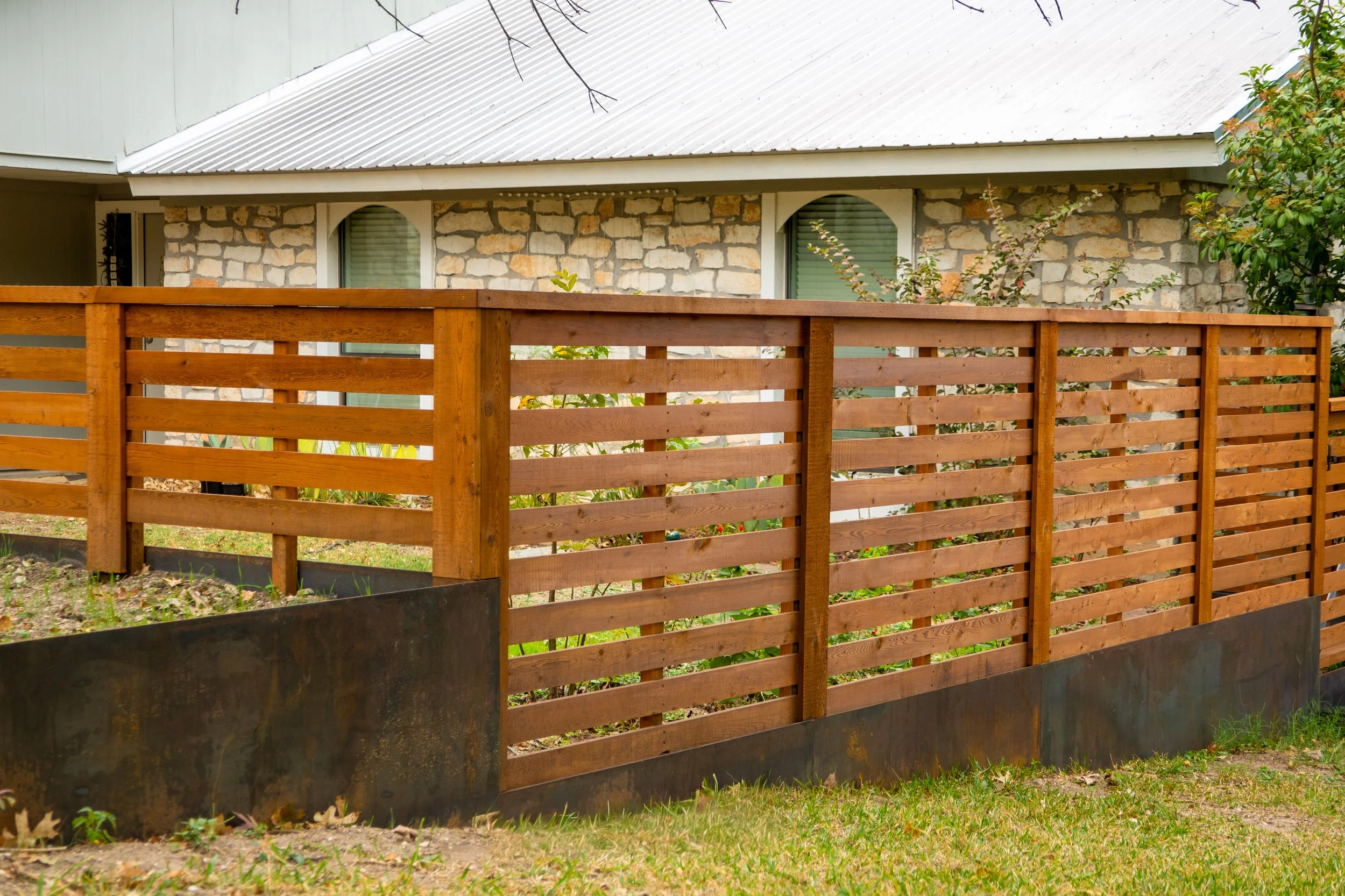
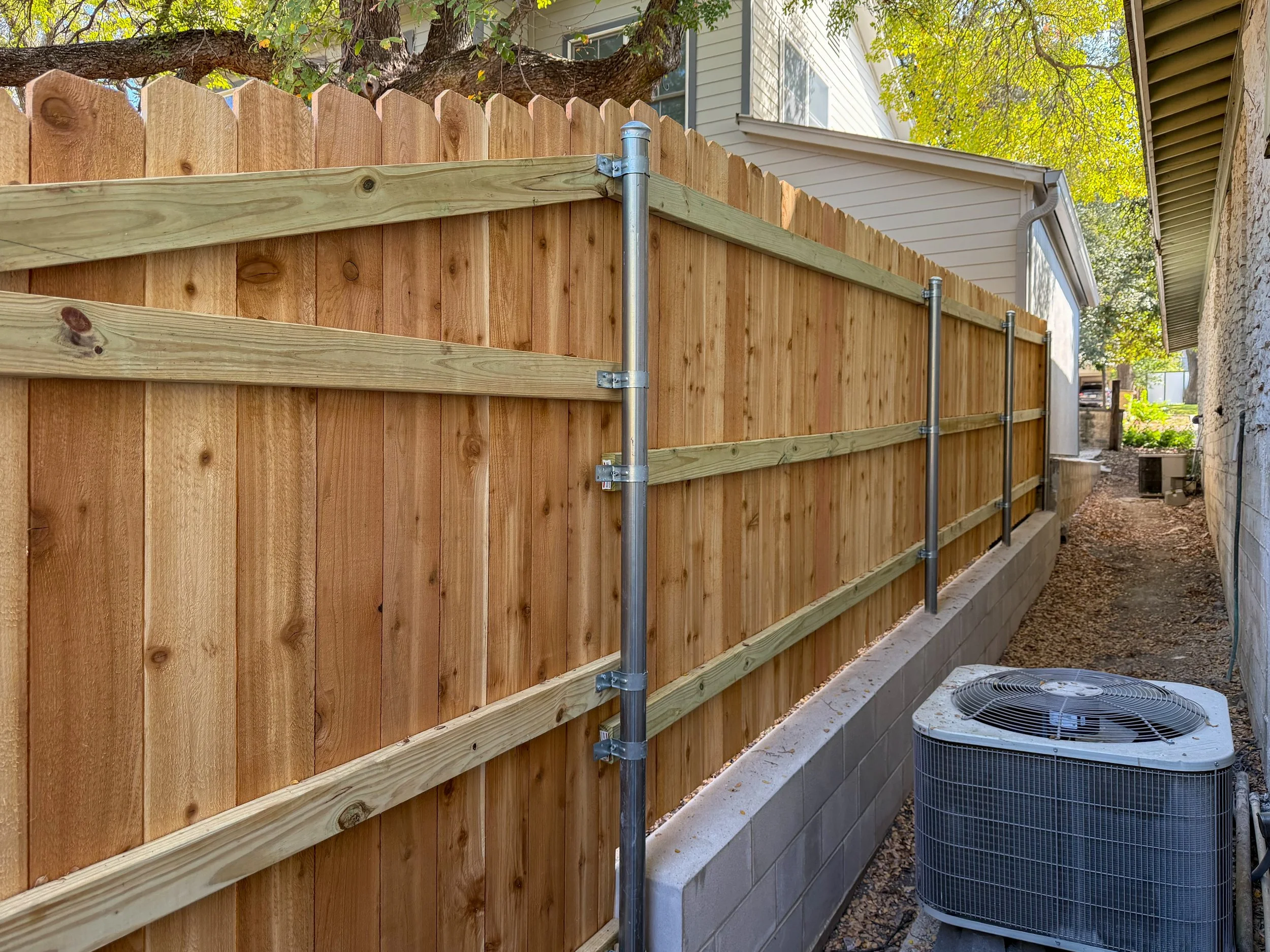
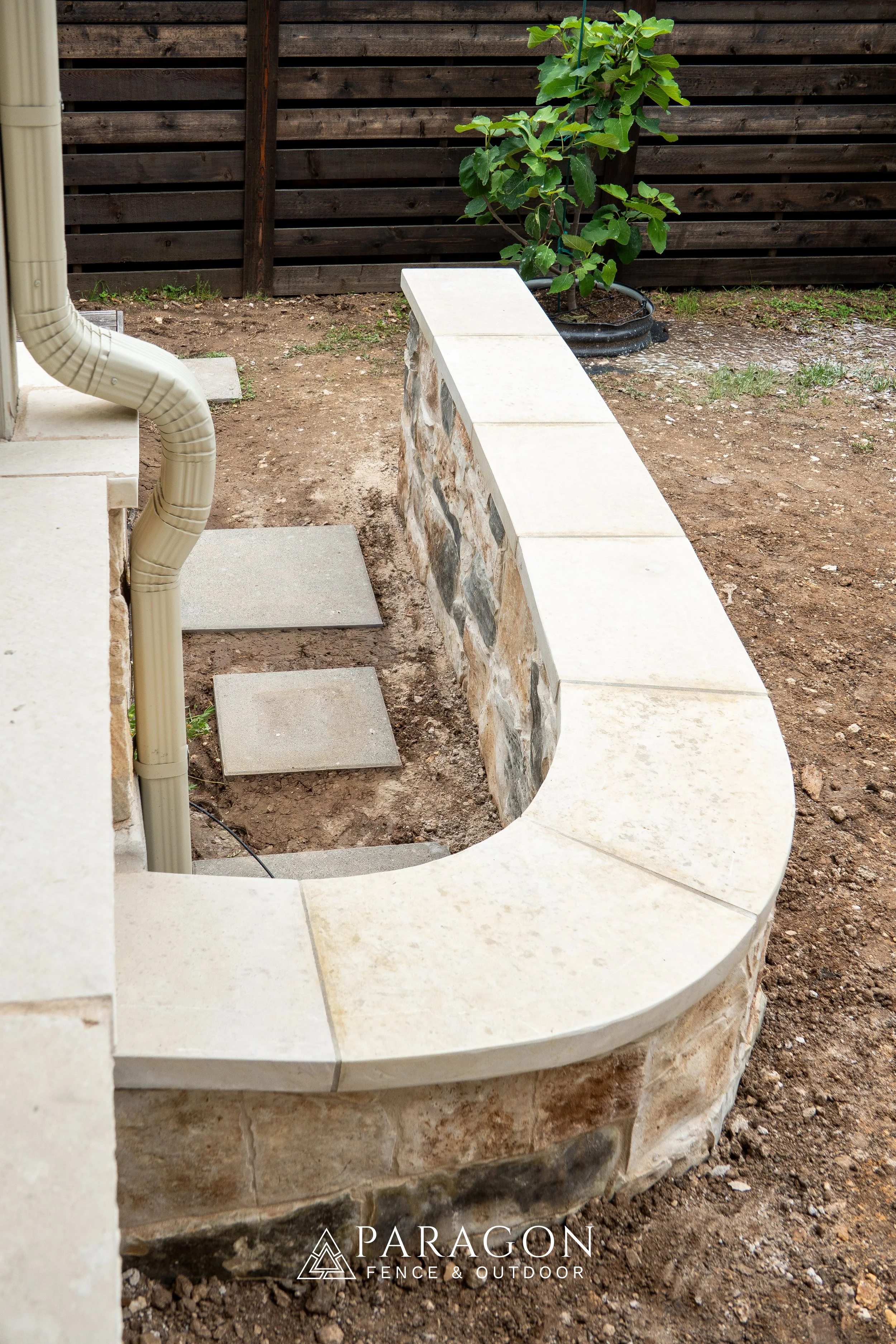
frequently asked questions
-
Many walls under 4 ft do not require permitting, but site conditions matter. We verify requirements before starting.
You can learn more about what work is exempt from building permits at the City of Austin’s website. Keep in mind, you may still need approval by your HOA, if applicable.
-
Concrete, segmental blocks, natural stone, and corten steel perform very well in our soil and weather conditions when installed properly with drainage.
-
Yes, and in many Austin yards, it actually makes sense to do both at the same time.
If your fence line runs along a slope or there’s soil pushing against an existing fence, installing a retaining wall first can create a stable base for the new fence. In some cases, the retaining wall supports the grade change and the fence is installed directly behind it. In other situations, the wall allows us to level out sections of the yard so the fence layout works properly.
Combining the two projects can:
Prevent future fence leaning caused by soil movement
Help with drainage and erosion control
Create a cleaner, more intentional transition in the yard
Save time compared to separating the projects
We’ll evaluate the grade, soil condition, and fence layout together so everything works as one complete system instead of two separate fixes.
-
No, a fence is not designed to function as a retaining wall.
We see this fairly often in Austin where soil has been built up on one side of a fence line. Over time, that soil creates pressure (especially after heavy rains), and the fence starts leaning, bowing, or failing much earlier than it should.
Here’s the difference in simple terms:
A retaining wall is engineered to hold back soil and manage water pressure.
A fence is designed for privacy, security, or boundary marking — not to resist constant soil load.
When soil is pushing against fence pickets or posts, that pressure transfers directly to the post footing.
If your yard has a grade change along the fence line, the right solution is usually a properly built retaining wall with the fence installed separately above or behind it. That approach protects both structures and helps prevent premature failure.
If you’re not sure whether your fence is being asked to do more than it should, we’re happy to walk the property and point it out before it becomes a bigger repair.