NAVIGATING YOUR HOA IN CEDAR PARK, TX
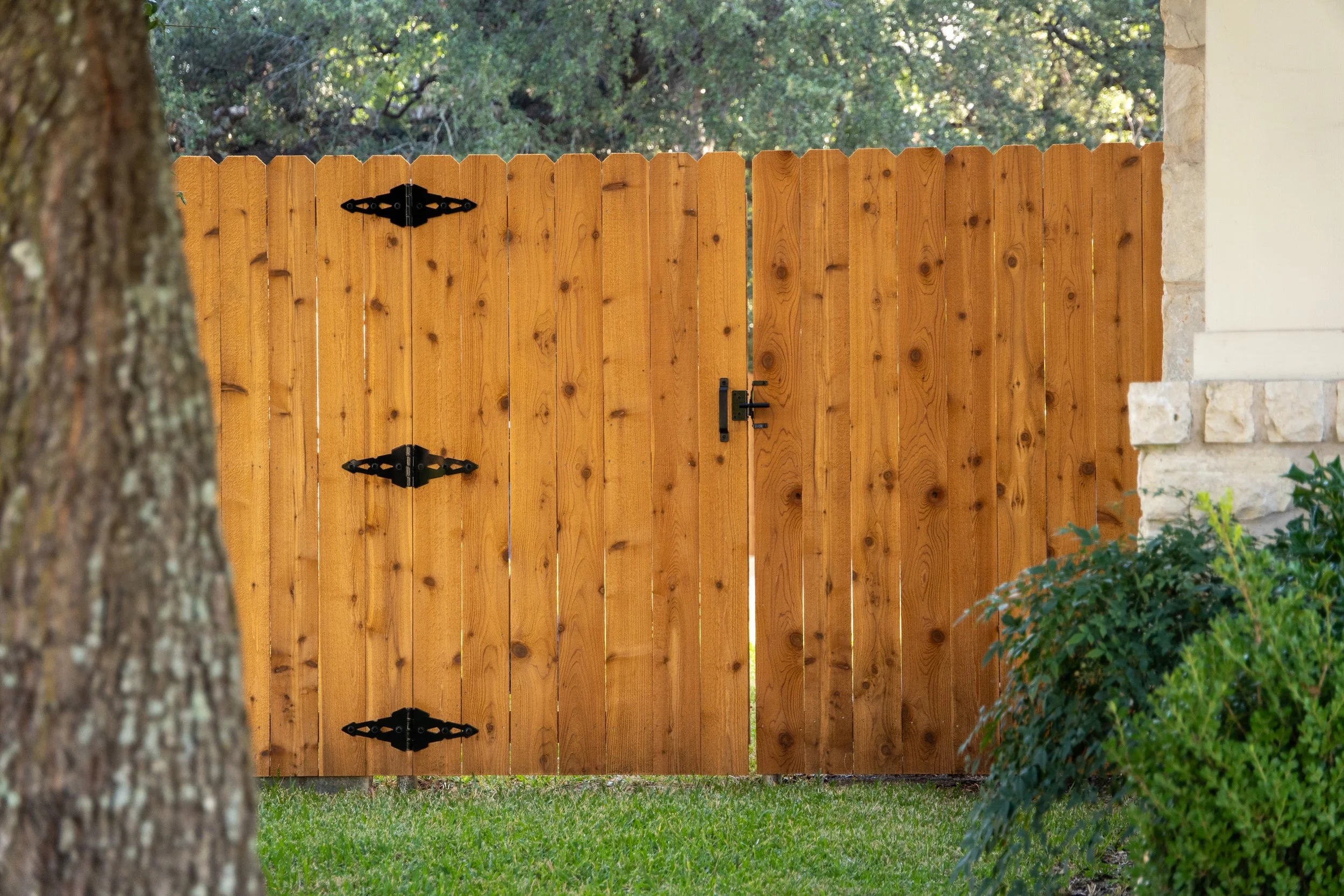
Project managed personally by Paragon’s owner prior to forming Paragon.
If you live in Cedar Park, there’s a good chance your neighborhood has an HOA — and if you’re planning a new fence, retaining wall, pergola, or other outdoor structure, it’s smart to understand how that process works before construction starts.
I’ve walked a lot of homeowners through this step, and while HOAs can feel intimidating at first, most are pretty manageable once you know what they’re actually looking for.
start with your hoa’s architectural guidelines
Most Cedar Park HOAs have Architectural Control Committee (ACC) or Architectural Review Committee (ARC) guidelines. These outline what’s allowed and what needs approval. Common items they regulate include:
Fence height (often 6’ max for backyards)
Fence style (board-on-board, shadowbox, wrought iron, etc.)
Materials and color (cedar vs. pine, stain vs. natural)
Setbacks from property lines
Visibility from streets or greenbelts
For structures like retaining walls, pergolas, or trellises, HOAs may also specify:
Maximum height
Placement relative to the home
Whether the structure must match the house color or materials
Before you submit anything, read these guidelines closely. It saves time and avoids redesigns later.
know what typically requires approval
In Cedar Park, most HOAs require approval for:
New fences or replacing an existing fence with a different style
Changes to fence height or material
Retaining walls (even low ones)
Pergolas, arbors, and shade structures
Any structure visible from neighboring properties or public areas
Even if a retaining wall is under 4 feet and doesn’t require a city permit, your HOA may still want to review it.
When in doubt, assume approval is needed — it’s easier than backtracking after the fact.
what hoas usually ask for
Most HOA applications are straightforward. You’ll typically need:
A short description of the project
A site plan or plat showing where the fence or structure will go
Fence height, style, and material details
Stain or finish color (if applicable)
Photos or drawings (renderings are often helpful and we’ve got you on this one)
This is where working with an experienced contractor helps. We’re used to providing clean, HOA-friendly project plans with details that answer questions upfront and we’ll provide you with what you need to keep things moving.
finding your cedar park hOA contact info
Not sure who manages your HOA or where to submit your application? The City of Cedar Park maintains a Neighborhood Management Group directory that lists HOA management companies and contact information.
You can find it here: https://www.cedarparktexas.gov/DocumentCenter/View/223/Neighborhood-Management-Group-Table-XLSX?bidId=
This can help you track down:
Your HOA management company
An email or phone number for submissions
Where to find submission forms
A few pro tips from the field
Don’t build first and ask later. HOAs can require changes or removal.
Stick to standard styles if you want faster approvals.
Communicate early if your project borders a neighbor or common area.
Keep copies of approvals for your records (and future buyers).
how we help
At Paragon Fence & Outdoor, we build with HOA requirements in mind from the start. We’ll help you choose styles that are commonly approved, provide the details HOAs ask for, and think through placement so your project fits both the rules and how you actually use your yard.
If you’re planning a fence, retaining wall, pergola, or other outdoor project in Cedar Park and want help navigating the HOA side of things, we’re happy to walk you through it. Contact Paragon Fence & Outdoor to bring your outdoor space to life — without the HOA headaches.